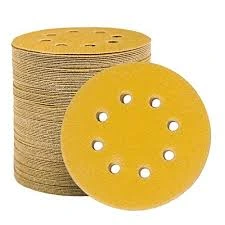
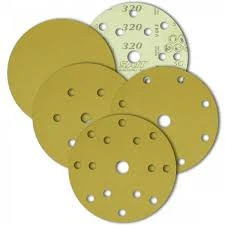
Gli Utensili per Levigatura sono essenziali per ottenere superfici lisce e rifinite in applicazioni di lavorazione del legno, lavorazione dei metalli, automotive e edilizia. Questi utensili sono progettati per la levigatura di precisione, garantendo un’efficiente rimozione del materiale, preparazione della superficie e finitura. Disponibili in vari tipi, tra cui blocchi di levigatura manuale, levigatrici orbitali, levigatrici a nastro e utensili per lucidatura, gli Utensili per Levigatura offrono versatilità e facilità d’uso. Sono compatibili con diversi materiali abrasivi, consentendo soluzioni di levigatura personalizzate in base al materiale e alla finitura desiderata.
Dove utilizzarli:
Lavorazione del legno e fabbricazione di mobili: ideali per levigare il legno grezzo, preparare le superfici per la verniciatura e rifinire i mobili.
Automotive e lavorazione dei metalli: utilizzati per levigare superfici metalliche, rimuovere la vernice e preparare i rivestimenti.
Edilizia e progetti fai da te: perfetti per la levigatura di cartongesso, la rifinitura di pavimenti e la preparazione generale delle superfici.
Why Choose DianaGroup
sum is not simply random text. It has roots in a piece of classical Latin literature from 45 BC, making it over 2000 years old. Richard McClintock, a Latin professor at Hampden-Sydney College in Virginia, looked up one of the more obscure Latin words, consectetur, from a Lorem Ipsum passage, and going through the cites of the word in classical literature, discovered the undoubtable source. Lorem Ipsum comes from sections 1.10.32 and 1.10.33 of “de Finibus Bonorum et Malorum” (The Extremes of Good and Evil) by Cicero, written in 45 BC. This book is a treatise on the theory of ethics, very popular during the Renaissance. The first line of Lorem Ipsum, “Lorem ipsum dolor sit amet..”, comes from a line in section 1.10.32.
The standard chunk of Lorem Ipsum used since the 1500s is reproduced below for those interested. Sections 1.10.32 and 1.10.33 from “de Finibus Bonorum et Malorum” by Cicero are also reproduced in their exact original form, accompanied by English versions from the 1914 translation by H. Rackham.
How to contact us
sum is not simply random text. It has roots in a piece of classical Latin literature from 45 BC, making it over 2000 years old. Richard McClintock, a Latin professor at Hampden-Sydney College in Virginia, looked up one of the more obscure Latin words, consectetur, from a Lorem Ipsum passage, and going through the cites of the word in classical literature, discovered the undoubtable source. Lorem Ipsum comes from sections 1.10.32 and 1.10.33 of “de Finibus Bonorum et Malorum” (The Extremes of Good and Evil) by Cicero, written in 45 BC. This book is a treatise on the theory of ethics, very popular during the Renaissance. The first line of Lorem Ipsum, “Lorem ipsum dolor sit amet..”, comes from a line in section 1.10.32.
The standard chunk of Lorem Ipsum used since the 1500s is reproduced below for those interested. Sections 1.10.32 and 1.10.33 from “de Finibus Bonorum et Malorum” by Cicero are also reproduced in their exact original form, accompanied by English versions from the 1914 translation by H. Rackham.